

About The Collaborative
The Collaborative is built alongside you. Practitioners, partners, families, and community members are not just our audience—you are an essential part of how this work takes shape and moves forward.
The Collaborative
The Collaborative is part of the Center for Applied Research Solutions (CARS), a national organization committed to strengthening systems, improving practice, and advancing well-being for children, youth, families, and communities.
Our work focuses on helping child- and family-serving organizations translate guidance and best practices into everyday practice. We emphasize small-group learning, adaptable tools, and practical approaches that support early action and sustainable change.
As The Collaborative continues to evolve, our efforts are grounded in CARS’ long-standing experience supporting public systems, community-based organizations, and cross-sector partnerships nationwide.
Services & Capabilities
Our work is supported by the full range of services and expertise available through the Center for Applied Research Solutions (CARS).
Through CARS, we offer:

Coaching & Consulting
Coaching & Consulting
Targeted support to help teams plan, problem-solve, and move work forward in real-world settings.
Workshops & Trainings
Workshops & Trainings
Interactive learning experiences designed to build knowledge, skills, and confidence across diverse audiences.

Product & Resource Development
Product & Resource Development
Creation of practical tools, briefs, guides, and multimedia resources grounded in evidence and field experience.

Event Planning & Facilitation
Event Planning & Facilitation
Design and facilitation of convenings, learning exchanges, and national or regional events that foster connection and shared learning.

Evaluation
Evaluation
Practice-informed evaluation approaches that focus on learning, improvement, and real-world application.

Project Management
Project Management
End-to-end coordination of complex initiatives, ensuring clarity, alignment, and timely delivery.

Visitors interested in these services can learn more about Center for Applied Research Solutions and its work across sectors.
Meet The Team
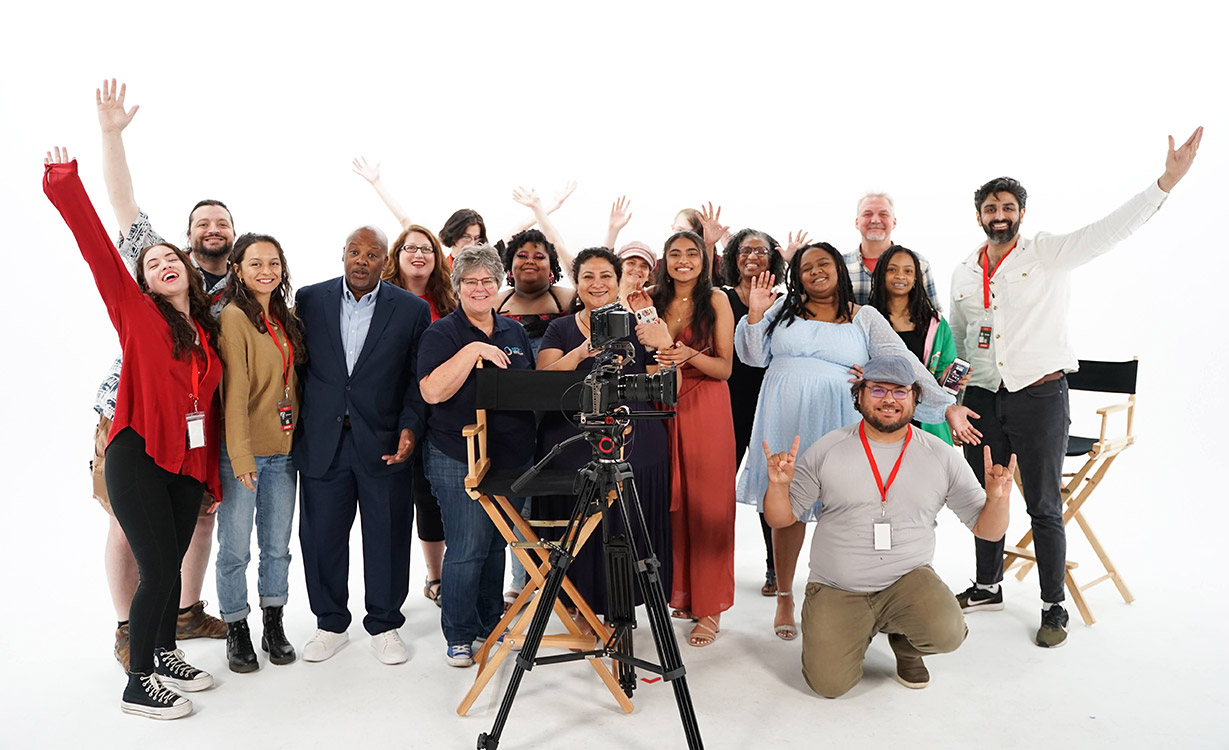
Our work is supported by a multidisciplinary team at CARS, drawing on years of real-world experience and subject matter expertise. Team members include:
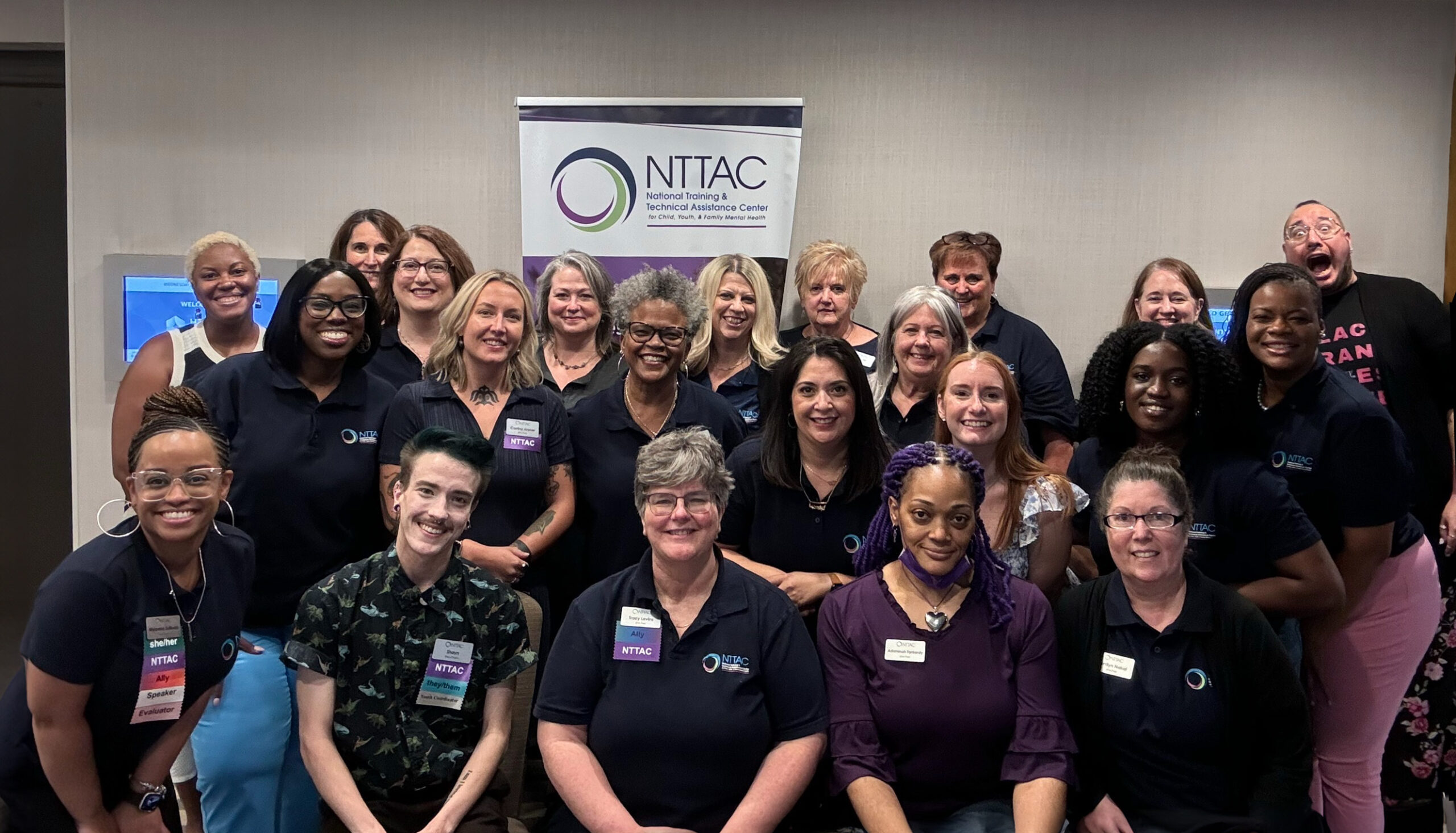
Public health and behavioral health specialists with experience across child, youth, and family-serving systems.
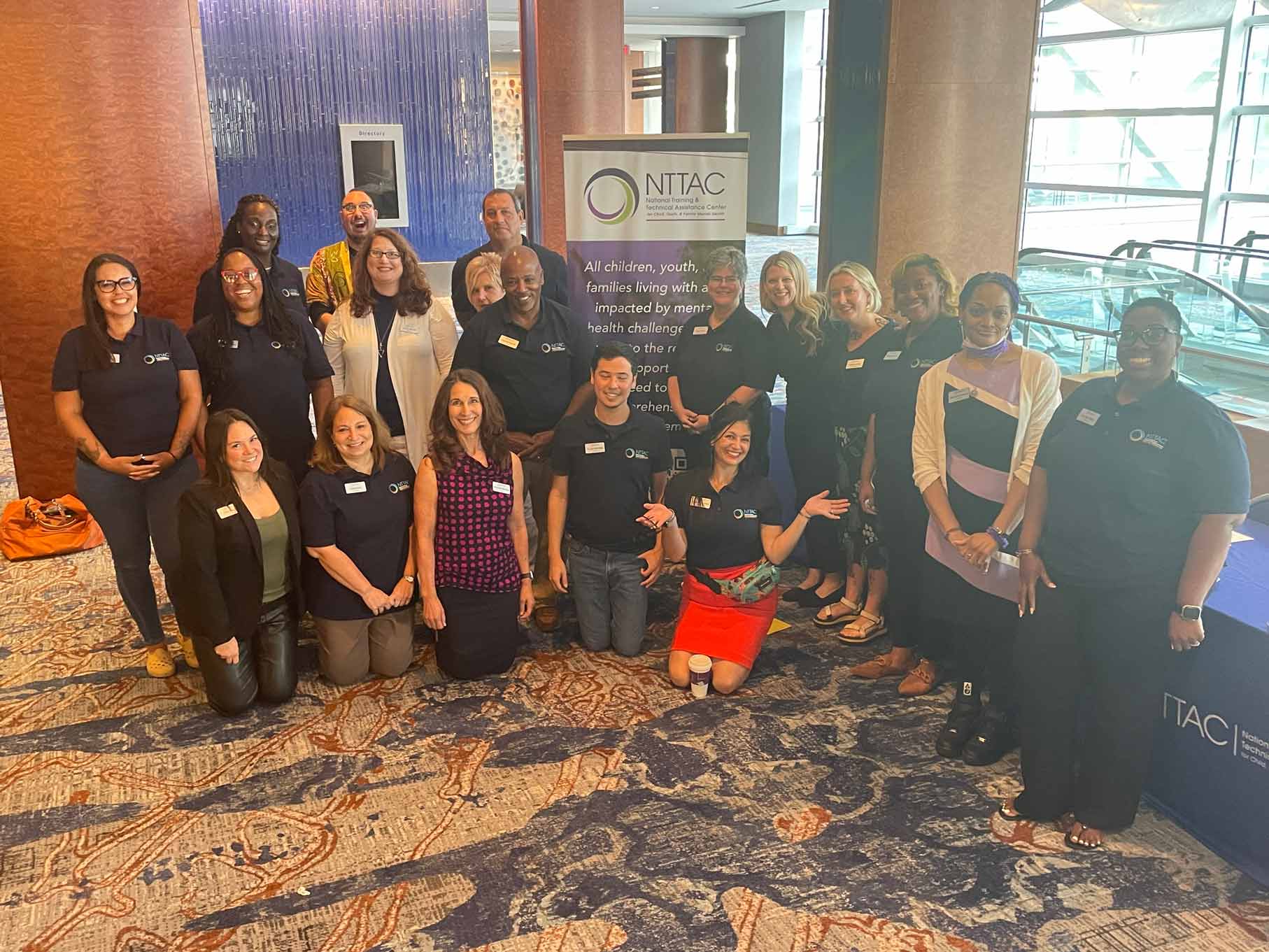
Subject-matter experts with direct experience in real-world settings, including schools, community mental health, primary care and emergency departments, juvenile justice, and youth- and family-led organizations.
Instructional designers and facilitators who design customized learning experiences, communities of practice, and tools using adult-learning principles and accessibility standards.

Evaluation and project management professionals who support planning, coordination, and learning across initiatives. This includes evaluation expertise focused on improvement and practice change, as well as project management that keeps complex work aligned, on track, and responsive to partner needs.
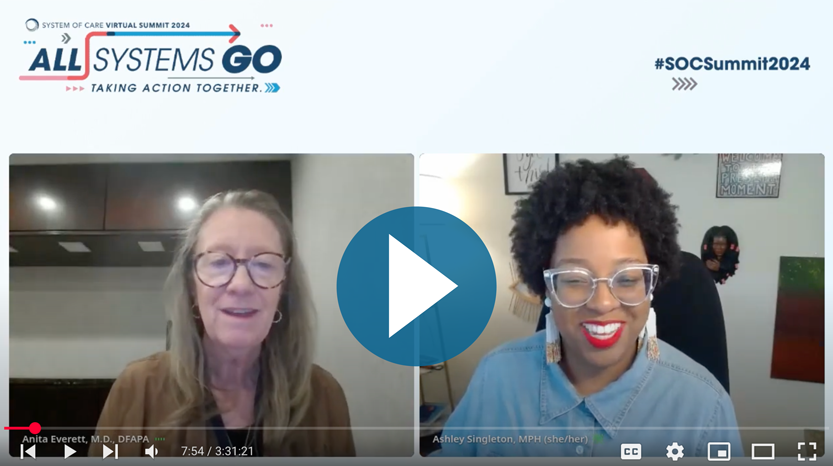
Technology and multimedia specialists who support digital learning platforms and the production of podcasts, videos, and other multimedia products—ensuring content is accessible, engaging, and well-executed.
Together, this team emphasizes intentional facilitation, active learning, innovative design, and practical application. Our learning experiences are designed to produce usable tools, encourage peer exchange, and support teams in moving learning into real-world practice.